
Non-GMO Certification
A scoped non-GMO claim — never “GMO-free” — with one accountable certifier behind it.
Non-GMO certification is independent verification that a product is made without genetically modified organisms, based on ingredient origin documentation and supplier declarations. V-Cert issues a scoped non-GMO claim — never an absolute — through one remote review against a written standard, on a certificate whose number any buyer can check without asking you for paperwork.
Tell us what you make and a certification reviewer scopes your quote with you.
Non-GMO certification
Get my quoteWhy this claim pays
Tens of billions
Tens of billions of dollars in annual North American retail sales are attributed to Non-GMO Project Verified products.
A non-GMO claim earned its shelf space a decade ago; what buyers scrutinize now is the structure behind it. V-Cert’s answer: a certifier that reviews, decides and answers for the certificate itself — and a claim scoped to what documentation can actually prove.
Source: Non-GMO Project, checked 2026 · verified 2026-07-03
Four checks, one reviewer, your whole file
Risk ingredients, traced to origin.
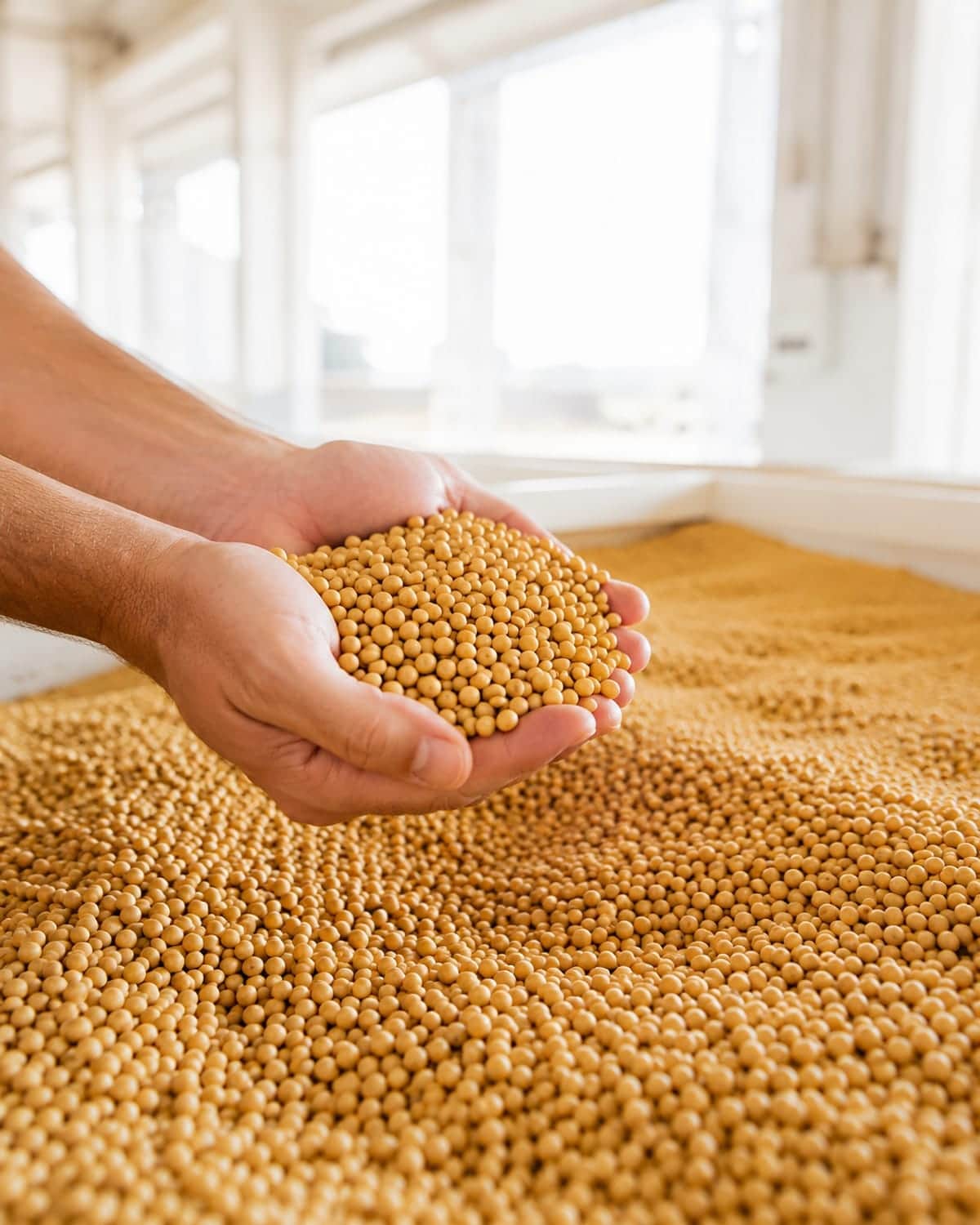
Soy, corn, canola, sugar beet, cottonseed and their many derivatives — lecithin, dextrose, oils, starches — are traced through supplier documentation to declared origins.
A scoped claim, stated honestly.
We certify non-GMO as defined in a written standard — never an absolute claim that no review could prove, and never “GMO-free”.
Segregation and sourcing, documented.
Where high-risk crops run through shared handling, segregation and sourcing controls are part of the file — and re-verified at annual surveillance.
Scope on the certificate, status on the check.
Both are set the day the decision is made — and one scan of the QR code brings back the status as it stands today.
Certifying non-GMO alone costs you a review. Adding it to your vegan file costs you a document.
Most non-GMO files are decided in the paperwork of five crops. If your formulation avoids soy, corn, canola, beet sugar and cottonseed derivatives, the file is short; where it doesn’t, the review concentrates exactly there — on origin declarations from the suppliers who actually know.
If you already hold organic certification, much of that origin documentation is reusable in this review, which shortens it. The claims stay distinct: organic is a farming and processing standard; non-GMO addresses genetic modification only.
Where non-GMO claims fail
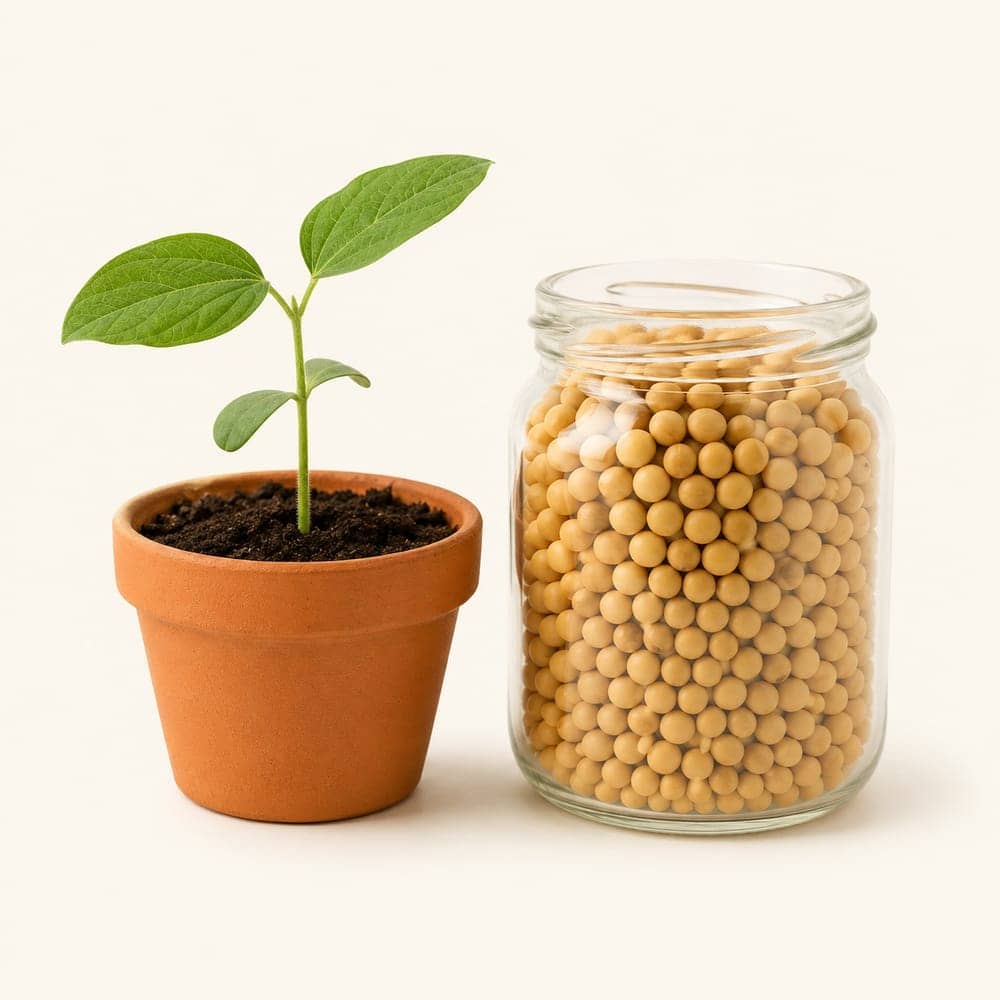
Risk concentrates in a handful of crops and their derivatives — the review asks for documents exactly there.
| Ingredient family | Risk | What the review asks for |
|---|---|---|
| Soy — lecithin, oils, proteins | High | Origin declaration from the crusher or refiner |
| Corn — dextrose, starches, syrups | High | Supplier declaration plus segregation controls |
| Canola and cottonseed oils | High | Origin declaration naming source and handling |
| Beet sugar | High | Refiner’s declaration of beet versus cane origin |
| Papaya and squash | Origin-dependent | Source-country declaration where risk applies |
Risk designations follow the standard’s risk-crop list; low-risk formulations make short files.
Built for your scope — and plain about the rest
Built for
- Bundle applicants adding non-GMO to a vegan or gluten-free review
- Producers with documented supply chains for soy, corn and other risk crops
- Brands that want a single accountable certifier instead of a two-organization maze
Not built for
- Retail programs that mandate Non-GMO Project verification by name
- Commodity crop operations needing identity-preserved field audits
If that’s your buyer, we’ll tell you before you pay anything.
Process — three steps
Apply · online
Apply online
Your marks, your product category, your scope — no documents needed yet, and nothing to pay at application.
Review · documents, not visits
Remote desk review
A named reviewer works through your formulations, ingredient specifications and supplier declarations against the V-Cert Non-GMO Standard — no site visit.
Issue · decision day
Certificate + mark artwork
Your certificate arrives with its own number and QR code, alongside mark artwork in four formats. From that day a buyer can check the number without going through you.
Typical desk review: 5–10 business days from complete documentation.
What the Non-GMO mark requires
These are the requirements themselves — not a summary of them.
- Risk ingredients traced to origin with supplier documentation
- Claim scoped to the standard’s definition — never an absolute
- Segregation and sourcing controls documented for high-risk crops
- Supplier declarations re-verified at annual surveillance
- Mark used only on certified products within the stated scope
Non-GMO certification at a glance
| Scope | Scoped claim · never “GMO-free” |
|---|---|
| Review model | Remote desk review of documents, wherever you manufacture |
| Quote | Calculated at application — nothing to pay until you approve |
| Standard | V-Cert Non-GMO Standard |
| Verification | Every certificate carries a number and a QR code — anyone can check it, current status included |
| Renewal | Annual — a re-review of deltas and refreshed declarations |
Go deeper
Most non-GMO applications ride on a vegan or gluten-free file — the origin paperwork overlaps heavily, and the added mark is an addition to the same review, not a second program. One application, one review, one invoice.


Tools and ingredients for a Non-GMO claim
Four working instruments for this claim — check your file, look up an ingredient, read the guides, and arm the person who signs off.
More Non-GMO guides
Questions the page hasn’t answered
How is V-Cert different from the Non-GMO Project?
They are separate programs — we claim no equivalence. The practical difference is structure: one certifier reviews, decides and invoices, instead of a separate technical administrator and verification body. If your retailer requires the Butterfly by name, that decides it — send us the requirement and we’ll answer plainly.
What documents do we need?
Your formulations, plus origin and supplier declarations for risk-crop ingredients. The checklist below names each one — low-risk formulations make short files, and reusable organic documentation shortens them further.
Is V-Cert accredited?
V-Cert is an independent certification body and is not ISO/IEC 17065 accredited. What each mark requires and the rules for granting, suspending and withdrawing certificates are published, and every certificate is verifiable by QR code.
What does non-GMO certification cost?
Your exact figure is calculated at application and shown before any payment. Non-GMO is priced to sit naturally inside a bundle — see what drives the number.
Desk-Review Document Checklist (Non-GMO)
Every document our reviewers ask for in a non-gmo desk review — one email field, nothing else.
Page last updated
One accountable party behind your claim
Start the application whenever your file is ready — a person reads every one.
- Free to apply
- No card, no deposit — nothing is payable until you approve a quote.
- Your quote, scoped to you
- Your quote is scoped by a certification reviewer who has read your product list.
- We disqualify ourselves out loud
- If a desk review — or V-Cert itself — is not the right fit for your scope, we say so at the quote stage.
Not sure the Non-GMO mark fits your file? Ask the V-Cert Certification Team before you apply — a reviewer reads every message.
info@v-cert.org